Salt Typhoon's Shadow: Japan and the Staging Grounds Next Door
DAY 2
13:20-
14:00
Japan sits wedged between the staging ground and the flashpoint. In February 2025, intruders at Japan’s largest carrier group reached data on nearly 18,000 corporate customers, moving laterally before detection. Two decades of evidence predicted it: PRC-linked operators refine telecom intrusion trade-craft in Southeast Asia years before deploying it against allied targets, the incubator that produced Salt Typhoon. Now the rehearsal runs at machine speed against Taiwan, and Japan’s networks are the connective tissue a conflict would contest first. Weeks before CODE BLUE convenes, the Active Cyber Defense Act takes effect, just as the threat regionalizes. This session compares three governance models for allied telecom defense: Japan’s new statute, the US coordinating councils that carried the Salt Typhoon response, and transnational CISO coordination. Attendees leave knowing which doors stand open, including The Observatory, free to any defender, and what allies must build before 2027.
-
Location :
-
Track 1(HALL B)
-
-
Category :
-
Law&Policy
-
-
Share :
Speakers
-
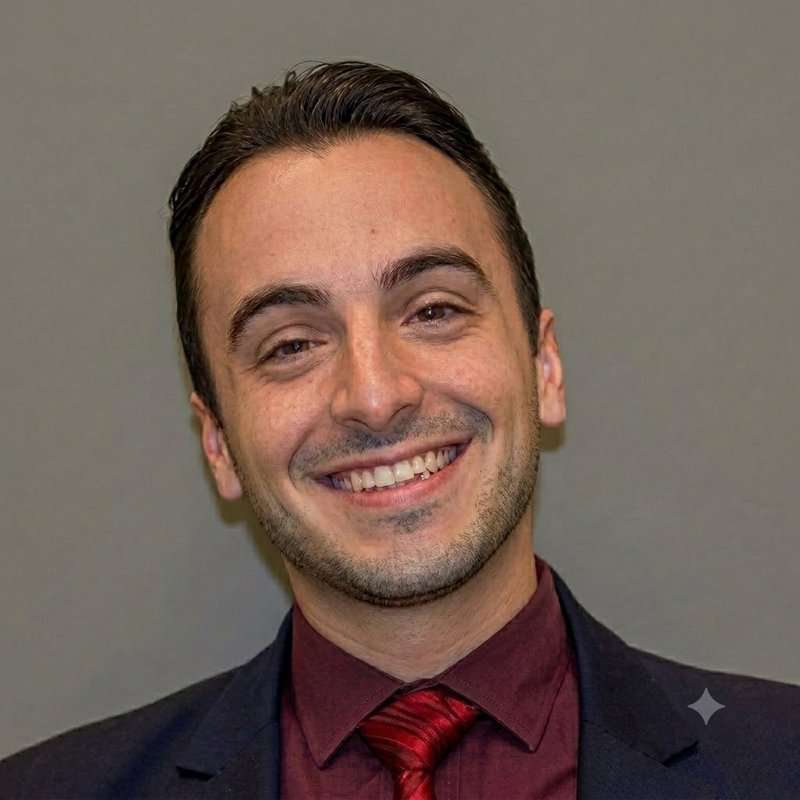
Christopher Braccia
クリストファー・ブラッチャ
Christopher Braccia is a senior national security and cyber fellow specializing in PRC cyber operations across Southeast Asia's critical infrastructure. He has advised the White House Office of the National Cyber Director and served as lead drafter of the DHS/CISA AI Sector Risk Assessment for the Communications Sector. As Chief of Staff of the International Communications CISO Council, he convenes carrier security chiefs and executives across five continents, and co-chairs the Strategy Coordination Committee of the Communications Sector Coordinating Council, the sector's formal US government partnership body.
His flagship study "From Vietnam to Volt Typhoon" was cited by the CTO of the UK National Cyber Security Centre and syndicated across four continents, with a companion analysis in The Diplomat. His Observatory dataset spans 3,500+ critical infrastructure incidents across 16 sectors. He has lived in Asia for over twelve years, based between Saigon, New York, and Washington, DC.